Current Situation & Pricing Overview 2026 in Croatia
Since the adoption of the Euro in Croatia, the pricing landscape for services, including emergency electricians, has seen significant changes. Inflation and the shift to a new currency have impacted costs, making it essential for visitors to be informed about realistic pricing. In 2026, you can expect to pay more for emergency services compared to previous years, but the quality and reliability of service have also improved.
- Informative estimated average prices in Euros (€)
- Transparent low vs. high peak season price breakdown below
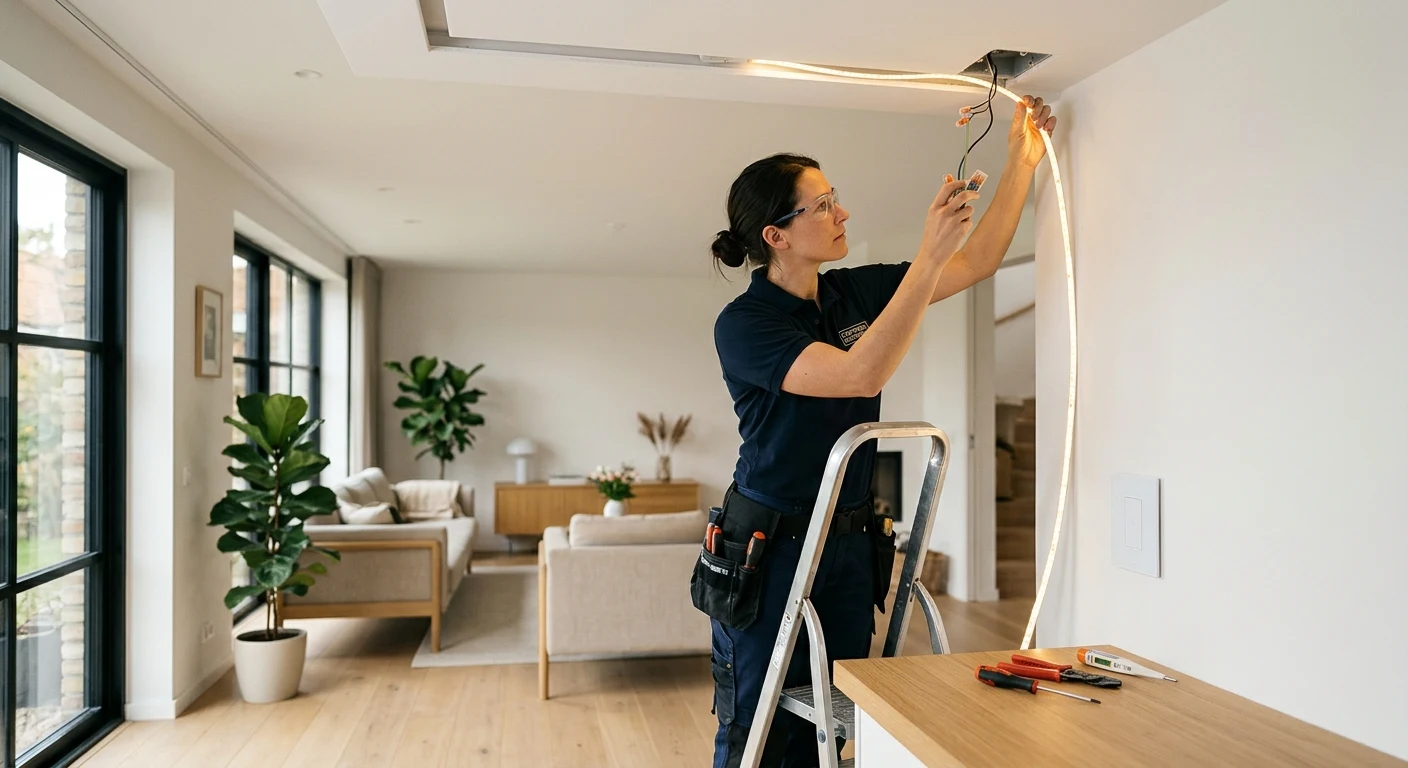
Comprehensive Price Breakdown & Comparison Table 2026
| Service | Low Season Price (€) | High Season Price (€) |
|---|---|---|
| Emergency Call-Out Fee | 50 | 100 |
| Hourly Labor Rate | 30 | 60 |
| Wiring Repairs | 100 | 300 |
| Circuit Breaker Replacement | 80 | 150 |
| Light Fixture Installation | 50 | 120 |
| Electrical Panel Upgrade | 300 | 600 |
Regional Price Variations (Islands vs Coastal vs Inland)
Prices for emergency electrician services can vary significantly across different regions in Croatia. Coastal areas and popular islands like Hvar and Korčula tend to have higher rates due to increased demand from tourists. In contrast, inland areas may offer lower prices, but the availability of services can be limited. Here’s a brief overview:
- Coastal Towns (Dubrovnik, Split, Rovinj): Expect higher prices, especially during the summer tourist season.
- Islands (Hvar, Korčula): Prices can be inflated due to transportation costs and limited service providers.
- Inland Areas: Generally lower rates, but response times may be longer.
Insider Money-Saving Tips & Tourist Traps to Avoid
- Local Lunch Specials: Look for 'Marenda' specials in local eateries for budget-friendly meals.
- Grocery Shopping: Buy essentials at local supermarkets instead of tourist shops to save money.
- Avoid Dynamic Currency Conversion: Always choose to pay in local currency to avoid extra fees.
- ATM Traps: Use ATMs that belong to banks to avoid high withdrawal fees.
- Tipping Etiquette: A small tip (around 10%) is appreciated but not obligatory.
Payment Rules, Card Acceptance & Fiscal Receipts
In Croatia, it is important to understand the payment landscape. Most electricians accept both cash and cards, but it is advisable to confirm before services are rendered. According to Croatian fiscal law ('Fiskalni račun'), service providers must issue a fiscal receipt for any transaction. Always ask for a receipt, as it serves as proof of payment and can be useful for warranty claims or disputes.