Current Situation & Pricing Overview 2026 in Croatia
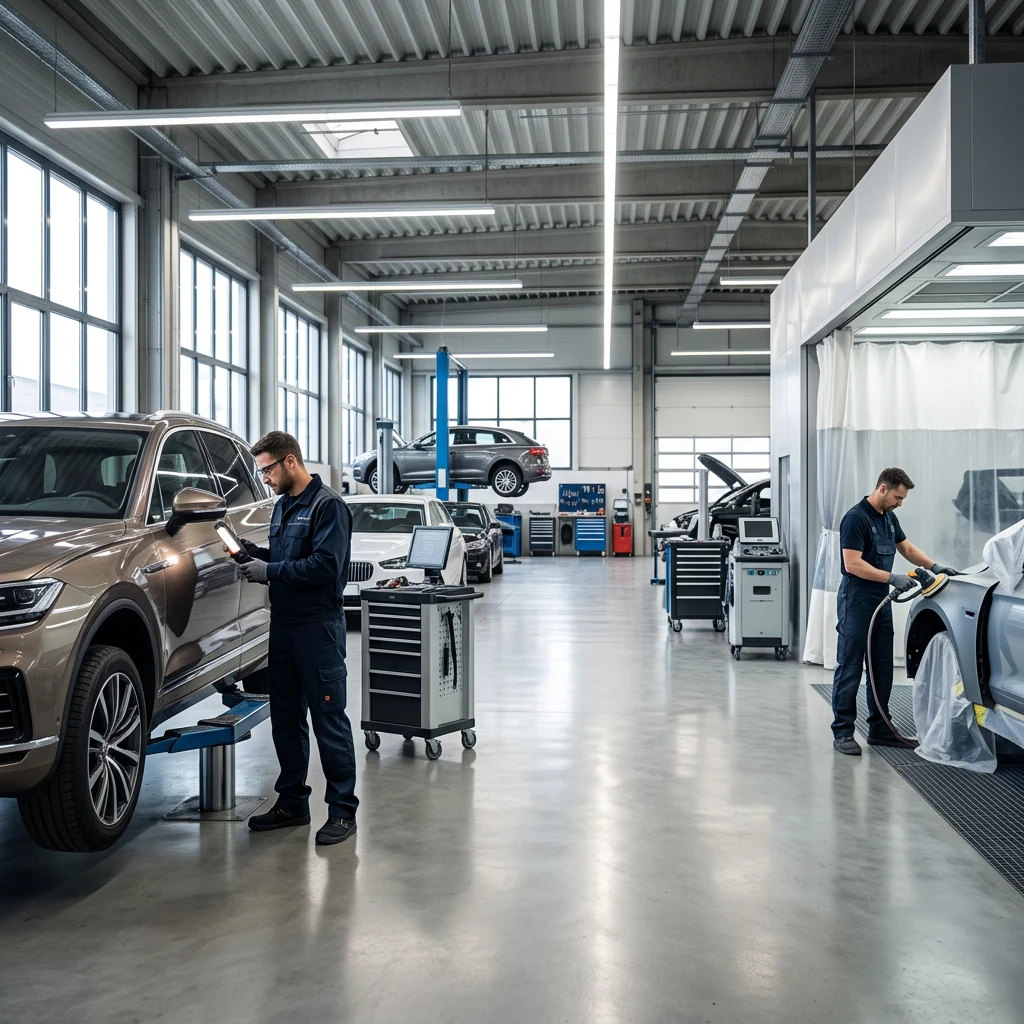
As Croatia continues to adapt to the Euro, the automotive repair industry has seen fluctuations in pricing due to inflation and increased operational costs. In 2026, visitors should expect to pay more than in previous years, particularly in tourist hotspots. The average cost for minor repairs has risen, but competitive pricing remains available outside major cities.
- Informative estimated average prices in Euros (€)
- Transparent low vs. high peak season price breakdown below
Comprehensive Price Breakdown & Comparison Table 2026
| Service | Low Season (€) | High Season (€) |
|---|---|---|
| Minor Scratch Repair | 50 | 100 |
| Major Scratch Repair | 100 | 250 |
| Small Dent Removal | 70 | 150 |
| Large Dent Removal | 150 | 300 |
| Paint Touch-Up | 30 | 80 |
| Full Panel Respray | 200 | 500 |
Regional Price Variations (Islands vs Coastal vs Inland)
Prices for car dent and scratch repairs can vary significantly across Croatia. Coastal areas and popular islands like Hvar and Korčula may charge more due to higher demand from tourists. In contrast, inland towns often have lower rates. For example:
- Dubrovnik: Higher prices due to tourist influx.
- Split: Competitive pricing, but still on the higher side.
- Rovinj: Moderate pricing, with some local shops offering discounts.
- Hvar: Premium prices during peak season.
- Inland Areas: Generally lower rates, with more local options available.
Insider Money-Saving Tips & Tourist Traps to Avoid
To save money on car repairs while traveling in Croatia, consider the following tips:
- Look for local lunch specials ('Marenda') to save on meals while you wait for repairs.
- Shop at local grocery stores instead of touristy shops for snacks and drinks.
- Avoid dynamic currency conversion at ATMs; always choose to pay in local currency.
- Tip around 10% for good service, but check if service is included in your bill.
Payment Rules, Card Acceptance & Fiscal Receipts
In Croatia, it is essential to understand the fiscal laws regarding payments. Always ask for a 'Fiskalni račun' (fiscal receipt) when you pay for repairs, as this is required by law and protects your rights as a consumer. While most repair shops accept credit cards, some may prefer cash, especially in smaller towns. Be prepared to pay in Euros (€) or Croatian Kuna (HRK), but ensure you know the current exchange rates to avoid overpaying.