Current Situation & Pricing Overview 2026 in Croatia
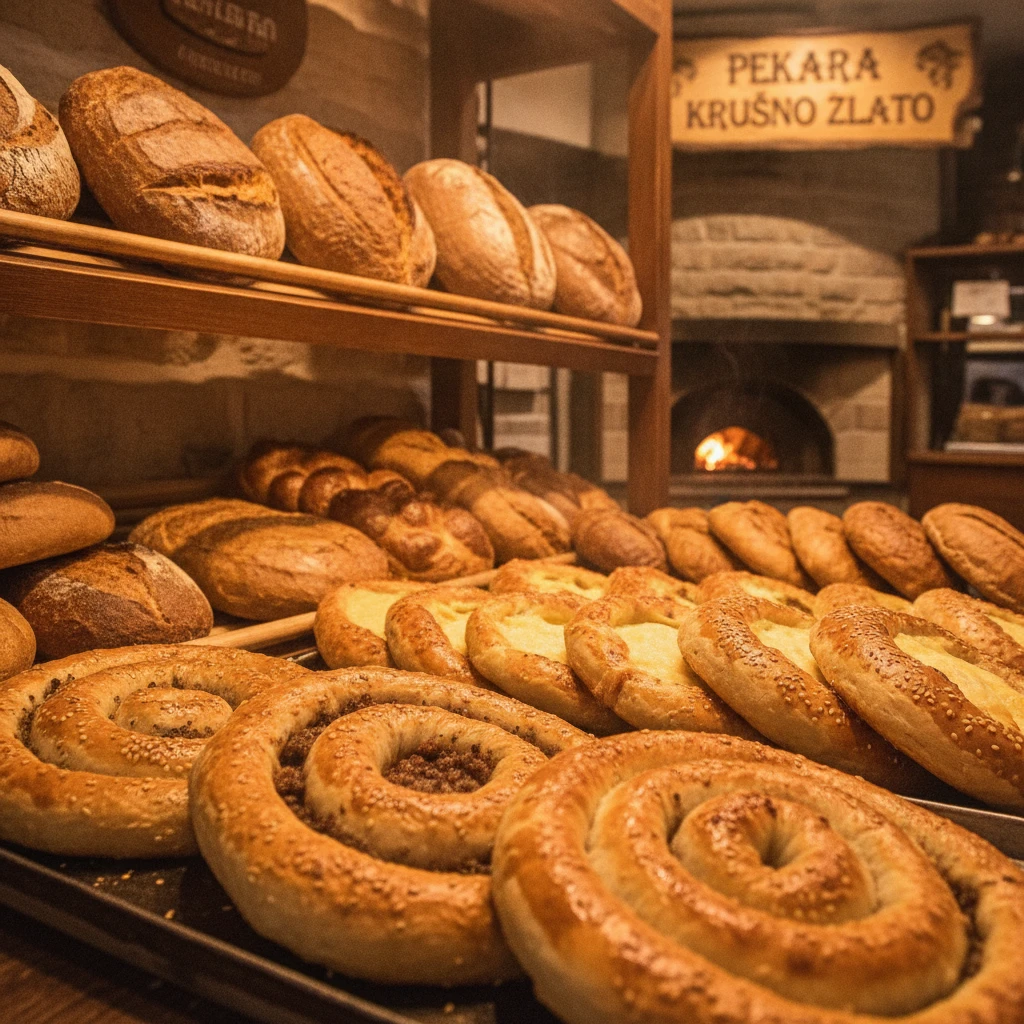
As of 2026, Croatia has fully adopted the Euro, leading to a significant shift in pricing across various sectors, including bakeries and street food. The inflation rate has stabilized, but visitors can still expect to pay slightly more than in previous years. The average cost of a burek now ranges from 2.50 € to 5 €, depending on the filling and location. Tourists should be prepared for price variations influenced by the season, with higher prices typically seen during the summer months when coastal areas attract more visitors.
- Informative estimated average prices in Euros (€)
- Transparent low vs. high peak season price breakdown below
Comprehensive Price Breakdown & Comparison Table 2026
| Item | Low Season Price (€) | High Season Price (€) |
|---|---|---|
| Burek (meat) | 3 | 5 |
| Burek (cheese) | 2.50 | 4 |
| Croatian Pastries (Kroštule) | 1 | 3 |
| Pita (Apple or Cheese) | 2 | 4 |
| Savoury Pastries (Pogača) | 1.50 | 3.50 |
| Coffee (Espresso) | 1.20 | 2.50 |
Regional Price Variations (Islands vs Coastal vs Inland)
Prices for bakery items can vary significantly based on location. Coastal towns like Dubrovnik and Split tend to have higher prices due to their popularity among tourists. In contrast, smaller inland towns may offer more competitive pricing. For instance, a piece of burek in Hvar might cost around 5 €, while in a less touristy area like Slavonski Brod, it could be as low as 3 €. Island hotspots like Korčula also see a premium on bakery items during the summer months.
Insider Money-Saving Tips & Tourist Traps to Avoid
- Look for 'Marenda': Many bakeries offer local lunch specials known as 'Marenda', which can provide great value for money.
- Grocery Shopping Hacks: Consider buying pastries from local supermarkets, which often have fresh bakery sections at lower prices.
- Avoid Dynamic Currency Conversion: When using ATMs, opt for transactions in Euros to avoid unfavorable exchange rates.
- Tipping Etiquette: While not mandatory, rounding up your bill or leaving small change is appreciated in bakeries and cafes.
Payment Rules, Card Acceptance & Fiscal Receipts
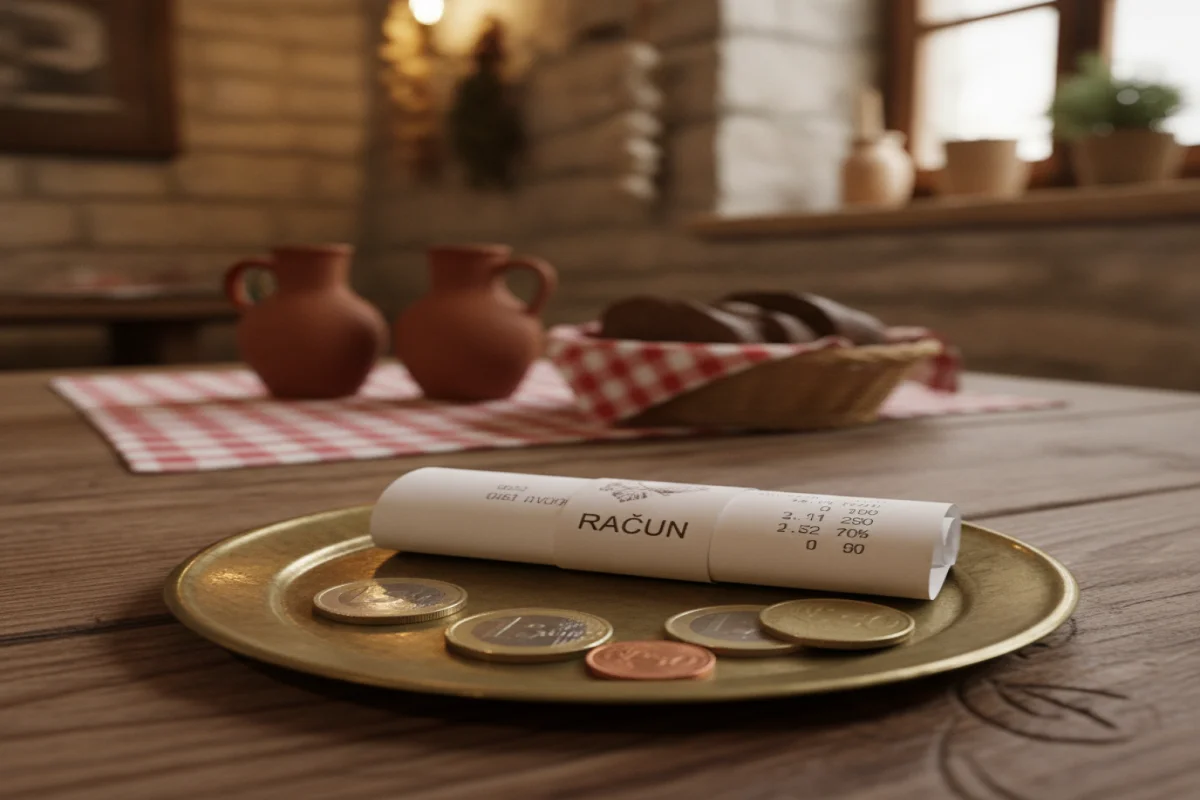
In Croatia, it is crucial to request a 'Fiskalni račun' (fiscal receipt) for any purchase, including bakery items. This receipt is essential for tax purposes and can help avoid issues with local authorities. While most bakeries accept credit and debit cards, cash remains a common form of payment, especially in rural areas. Be prepared to carry some cash, particularly when visiting smaller towns or islands.