Current Situation & Pricing Overview 2026 in Croatia
As Croatia continues to embrace the Euro, the pricing landscape for museums, fortresses, and historical sites has seen notable changes. Post-Euro adoption, visitors can expect a more standardized pricing structure, though inflation has led to gradual increases in fees. In 2026, museum fees typically range from 4 € to 40 €, depending on the location and significance of the site.
Tourists should be aware that prices may vary significantly between coastal hotspots and inland areas. The influx of international visitors during the summer months also influences pricing, with many attractions raising their fees during peak season.
- Informative estimated average prices in Euros (€)
- Transparent low vs. high peak season price breakdown below
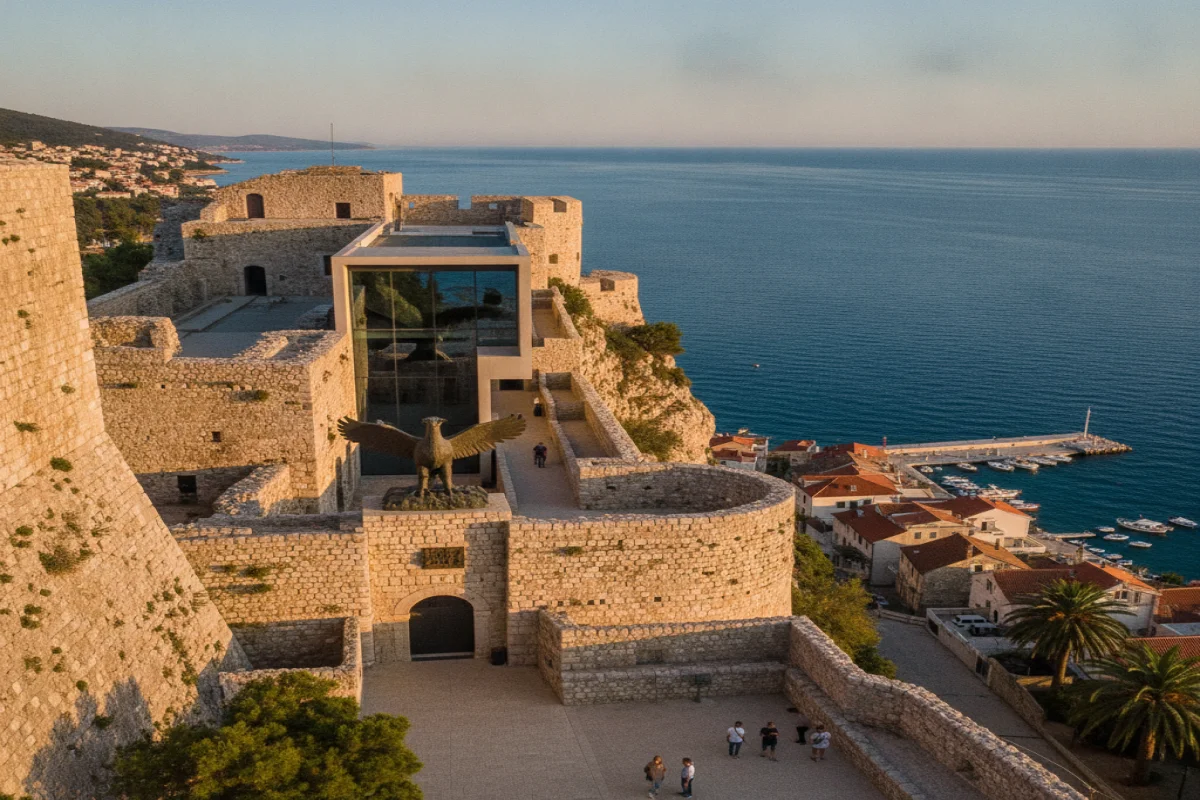
Comprehensive Price Breakdown & Comparison Table 2026
| Service | Low Season | High Season |
|---|---|---|
| Dubrovnik City Walls | 30 € | 40 € |
| Split Archaeological Museum | 10 € | 15 € |
| Hvar Fortress | 5 € | 10 € |
| Pula Arena | 15 € | 20 € |
| Museum of Broken Relationships | 8 € | 12 € |
| Korčula Town Museum | 4 € | 8 € |
| Rovinj Heritage Museum | 6 € | 10 € |
| National Park Krka | 20 € | 30 € |
| Trogir Historical Sites | 5 € | 10 € |
| Zagreb Museum of Contemporary Art | 10 € | 15 € |
Regional Price Variations (Islands vs Coastal vs Inland)
Price variations are evident across Croatia's diverse regions. Coastal areas, particularly tourist hotspots like Dubrovnik and Split, tend to have higher entry fees due to their popularity and the influx of visitors. In contrast, inland museums may offer more affordable options, making them ideal for budget-conscious travelers.
For example, while a visit to the Dubrovnik City Walls may cost up to 40 € in high season, a lesser-known site in Slavonia might charge only 5 € for entry. Islands like Hvar and Korčula also have their unique pricing structures, often reflecting their tourism-driven economies.
Insider Money-Saving Tips & Tourist Traps to Avoid
- Lunch Specials: Look for local lunch specials known as 'Marenda' which offer affordable meals at restaurants.
- Grocery Shopping: Purchase snacks and drinks from local grocery stores instead of tourist shops to save money.
- Dynamic Currency Conversion: Avoid using dynamic currency conversion at ATMs or payment terminals, as it often incurs higher fees.
- Tipping Etiquette: Tipping is appreciated but not mandatory; rounding up the bill is common practice.
- Free Entry Days: Check museum websites for free entry days or discounts for students and seniors.
Payment Rules, Card Acceptance & Fiscal Receipts
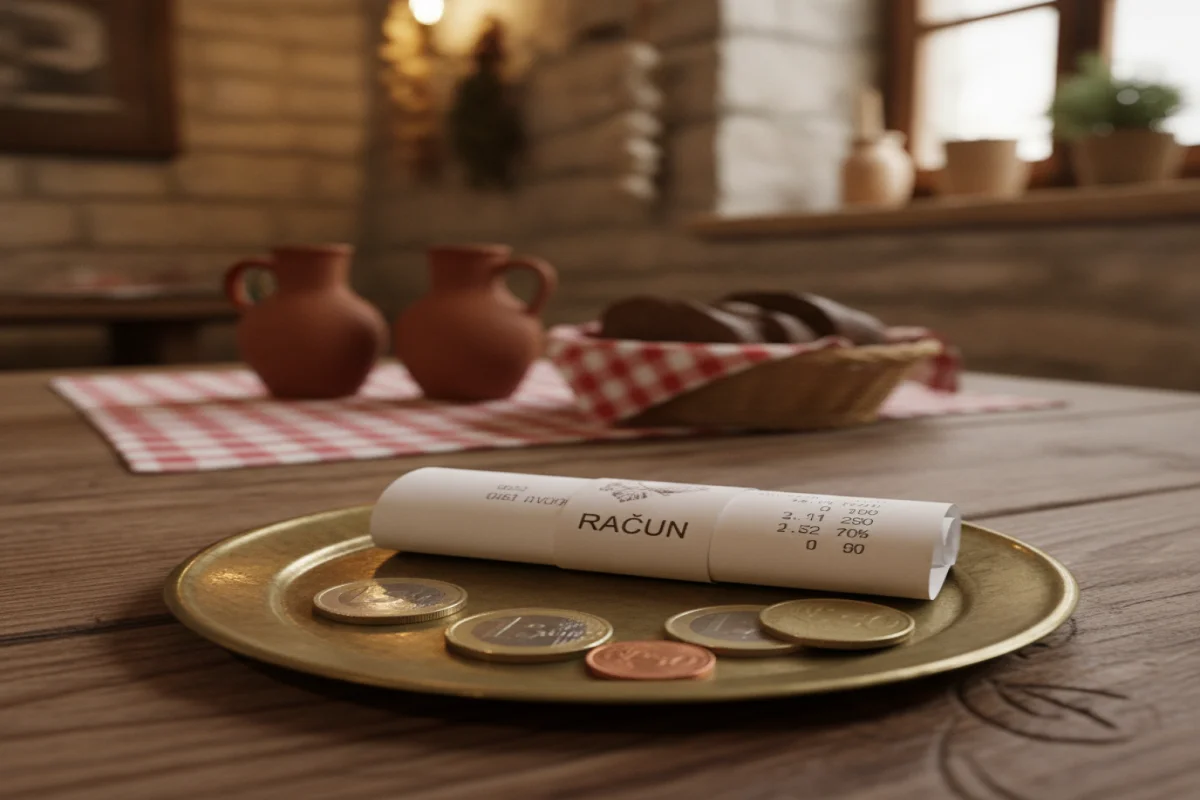
In Croatia, it is essential to understand the fiscal law ('Fiskalni račun'), which mandates that businesses provide a fiscal receipt for all transactions. This is important for both consumer protection and tax purposes.
While cash is still widely accepted, especially in smaller towns, credit and debit cards are increasingly preferred in larger cities and tourist areas. Ensure your card is compatible with European payment systems, and always ask for a receipt when making a purchase to avoid any potential issues.