Current Situation & Pricing Overview 2026 in Croatia
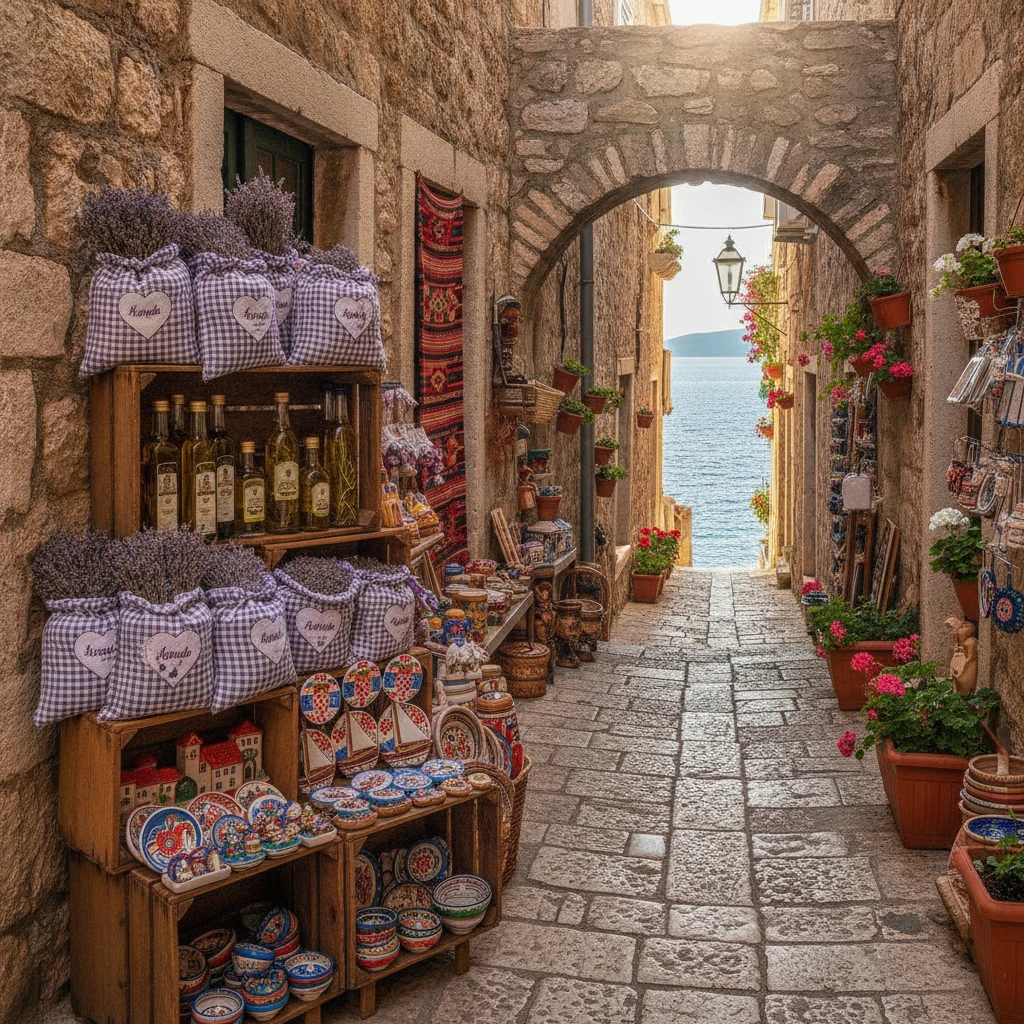
As Croatia embraces the Euro, the landscape of souvenir pricing has undergone significant changes. The transition to the Euro has introduced a level of consistency in pricing, but inflation has also played a role in increasing costs. Visitors can expect to pay slightly more than in previous years, particularly in tourist-heavy areas. The average price for a souvenir ranges from 5 € to 100 €, depending on the item and its origin.
- Informative estimated average prices in Euros (€)
- Transparent low vs. high peak season price breakdown below
Comprehensive Price Breakdown & Comparison Table 2026
| Item | Low Season Price (€) | High Season Price (€) | Budget Range (€) | Luxury Range (€) |
|---|---|---|---|---|
| Traditional Croatian Lace | 10 | 50 | 10 - 30 | 30 - 50 |
| Olive Oil (Local Brands) | 5 | 25 | 5 - 15 | 15 - 25 |
| Lavender Products | 3 | 20 | 3 - 10 | 10 - 20 |
| Handmade Pottery | 15 | 100 | 15 - 50 | 50 - 100 |
| Wine (Local Varieties) | 8 | 30 | 8 - 15 | 15 - 30 |
| Maraschino Liqueur | 10 | 25 | 10 - 15 | 15 - 25 |
| Fig Cake | 5 | 15 | 5 - 10 | 10 - 15 |
| Sea Shell Souvenirs | 2 | 10 | 2 - 5 | 5 - 10 |
| Croatian Cookbooks | 10 | 30 | 10 - 20 | 20 - 30 |
| T-shirts with Croatian Motifs | 10 | 25 | 10 - 15 | 15 - 25 |
Regional Price Variations (Islands vs Coastal vs Inland)
Prices for souvenirs can vary significantly across different regions of Croatia. Coastal areas, especially popular tourist destinations like Dubrovnik and Split, tend to have higher prices due to demand. In contrast, islands such as Hvar and Korčula offer unique local crafts at competitive prices, while inland regions may provide even lower prices for similar items. For example:
- Hvar: Known for its lavender products and olive oil, prices can range from 10 € to 50 €.
- Dubrovnik: Expect to pay a premium for souvenirs, with items often priced 20% higher than in less touristy areas.
- Rovinj: Offers a mix of local art and crafts, with prices generally in the mid-range.
Insider Money-Saving Tips & Tourist Traps to Avoid
To maximize your souvenir shopping experience, consider these tips:
- Look for 'Marenda': Many local eateries offer lunch specials that include traditional dishes at lower prices.
- Shop at Local Markets: Farmers' markets and artisan fairs often have better prices than shops in tourist areas.
- Avoid Dynamic Currency Conversion: Always choose to pay in the local currency to avoid unfavorable exchange rates.
- Tipping Etiquette: While not obligatory, rounding up your bill or leaving a small tip is appreciated in restaurants and cafes.
Payment Rules, Card Acceptance & Fiscal Receipts
In Croatia, cash is still king, especially in smaller shops and markets. However, credit and debit cards are widely accepted in larger stores and tourist areas. It's important to ask for a fiscal receipt ('Fiskalni račun') after your purchase, as this is required by law and can be useful for warranty claims or returns. Always check if the shop accepts cards before making a purchase, as some may have a minimum spend requirement.