Current Situation & Pricing Overview 2026 in Croatia
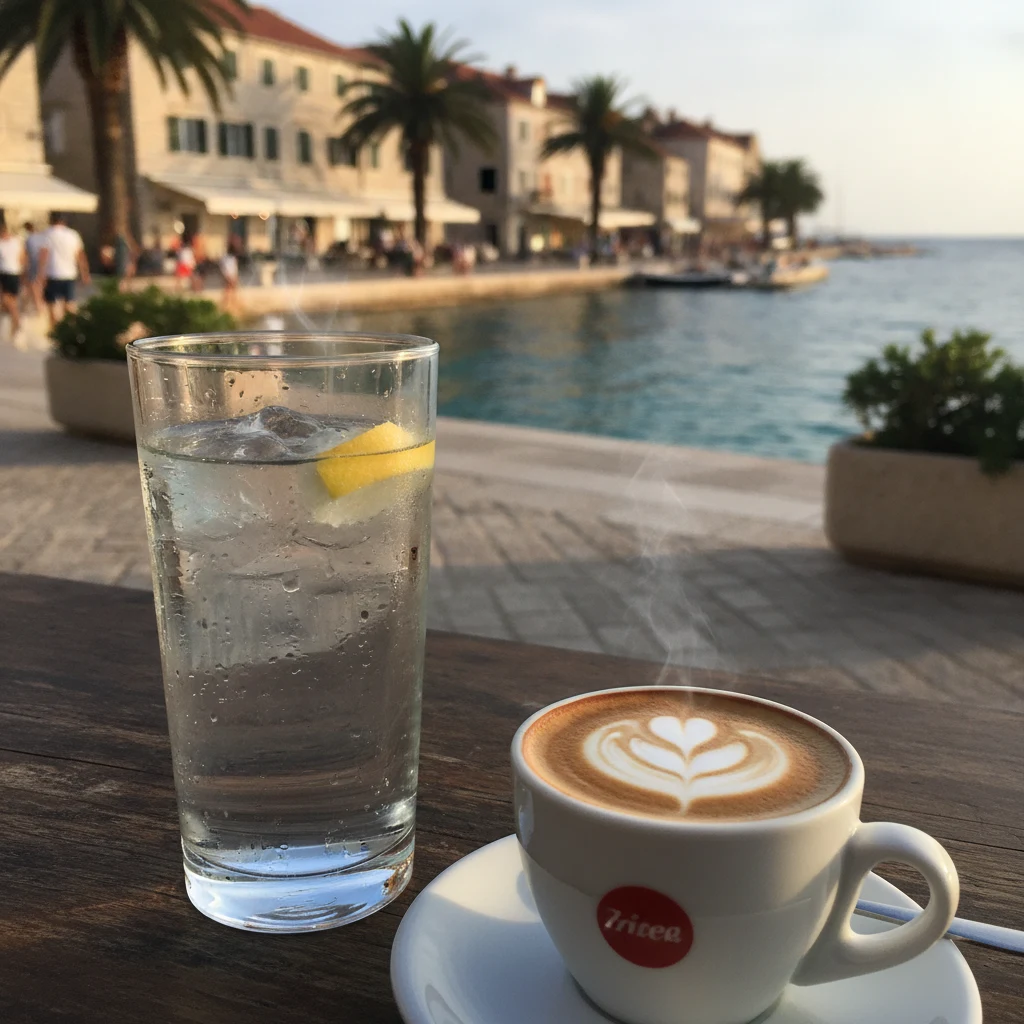
As Croatia embraces the Euro, the landscape of coffee and soft drink prices has evolved significantly. Post-Euro adoption, inflation has influenced costs, but the overall pricing remains relatively affordable compared to Western Europe. Visitors can expect to pay between 1.50 € and 4.50 € for a cup of coffee, depending on the type and location. Coastal areas, especially tourist hotspots, may see slightly higher prices, reflecting the demand during peak seasons.
- Informative estimated average prices in Euros (€)
- Transparent low vs. high peak season price breakdown below
Comprehensive Price Breakdown & Comparison Table 2026
| Item | Low Season Price (€) | High Season Price (€) | Budget Range (€) | Luxury Range (€) |
|---|---|---|---|---|
| Espresso | 1.50 | 3.00 | 1.50 - 2.00 | 2.50 - 3.00 |
| Cappuccino | 2.50 | 4.00 | 2.50 - 3.00 | 3.50 - 4.00 |
| Soft Drink | 1.50 | 3.00 | 1.50 - 2.00 | 2.50 - 3.00 |
| Local Wine | 3.00 | 6.00 | 3.00 - 4.00 | 5.00 - 6.00 |
| Craft Beer | 3.00 | 5.00 | 3.00 - 4.00 | 4.50 - 5.00 |
Regional Price Variations (Islands vs Coastal vs Inland)
Prices for coffee and soft drinks can vary significantly across different regions of Croatia. In tourist-heavy areas like Dubrovnik and Split, expect to pay premium prices, especially during the summer months. Conversely, inland areas and less frequented islands like Vis or Lastovo may offer more budget-friendly options. For instance, a cappuccino in Hvar might cost around 4.00 €, while the same drink in a small town like Karlovac could be as low as 2.50 €.
Insider Money-Saving Tips & Tourist Traps to Avoid
- Look for 'Marenda': Many local cafes offer lunch specials that include a drink for a fraction of the price.
- Shop at Grocery Stores: Buying soft drinks and snacks at supermarkets can save you money compared to purchasing them at cafes.
- Avoid Dynamic Currency Conversion: Always choose to pay in Euros to avoid unfavorable exchange rates when using credit cards.
- Ask for Fiscal Receipts: Always request a 'Fiskalni račun' to ensure your transaction is recorded and to avoid potential scams.
- Tip Wisely: While tipping is appreciated, it’s not obligatory. A small tip of 10% is sufficient for good service.
Payment Rules, Card Acceptance & Fiscal Receipts
In Croatia, most establishments accept credit and debit cards, especially in urban areas and tourist hotspots. However, smaller cafes and shops may only accept cash. It’s important to ask for a fiscal receipt ('Fiskalni račun') after your purchase, as this is required by Croatian law and protects you in case of any disputes. Always check if your card has foreign transaction fees and consider withdrawing cash from ATMs to avoid high conversion rates.