Current Situation & Pricing Overview 2026 in Croatia
As Croatia continues to adapt to the Euro, the grocery prices have seen a significant shift. The transition has brought about a more standardized pricing structure, but inflation has also played a role in increasing costs. Visitors in 2026 can expect to pay slightly more than in previous years, especially in tourist-heavy areas along the stunning Adriatic coastline.
With the rise in popularity of Croatia as a travel destination, particularly its beautiful beaches and islands, grocery prices reflect the demand. While some items may be cheaper in local markets, imported goods can be pricier. Understanding these dynamics will help visitors budget effectively.
- Informative estimated average prices in Euros (€)
- Transparent low vs. high peak season price breakdown below
Comprehensive Price Breakdown & Comparison Table 2026
| Item | Low-Season Price (€) | High-Season Price (€) | Budget Range (€) | Luxury Range (€) |
|---|---|---|---|---|
| Loaf of Bread | 0.80 | 1.50 | 0.80 - 1.00 | 1.20 - 1.50 |
| 1L of Milk | 1.00 | 1.50 | 1.00 - 1.20 | 1.30 - 1.50 |
| 1kg of Apples | 1.50 | 3.00 | 1.50 - 2.00 | 2.50 - 3.00 |
| Chicken Breast (1kg) | 6.00 | 10.00 | 6.00 - 8.00 | 9.00 - 10.00 |
| Pasta (500g) | 0.80 | 1.50 | 0.80 - 1.00 | 1.20 - 1.50 |
| Local Wine (750ml) | 5.00 | 15.00 | 5.00 - 8.00 | 10.00 - 15.00 |
Regional Price Variations (Islands vs Coastal vs Inland)
Prices can vary significantly depending on the region. For instance, popular islands like Hvar and Korčula may have higher grocery prices due to transportation costs and tourist demand. In contrast, inland areas such as Slavonia offer more competitive pricing.
- Hvar: Expect to pay 20-30% more for basic groceries compared to mainland.
- Dubrovnik: Prices are elevated, especially in the Old Town; shopping outside the tourist areas can save money.
- Split: A mix of local and tourist prices; local markets are a great option for fresh produce.
- Rovinj: Similar to Dubrovnik, with higher prices in the heart of the town.
- Inland Areas: Generally cheaper, with local markets offering the best deals.
Insider Money-Saving Tips & Tourist Traps to Avoid
To make the most of your budget while enjoying the culinary delights of Croatia, consider the following tips:
- Local Lunch Specials: Look for 'Marenda' deals in local eateries, offering substantial meals at lower prices.
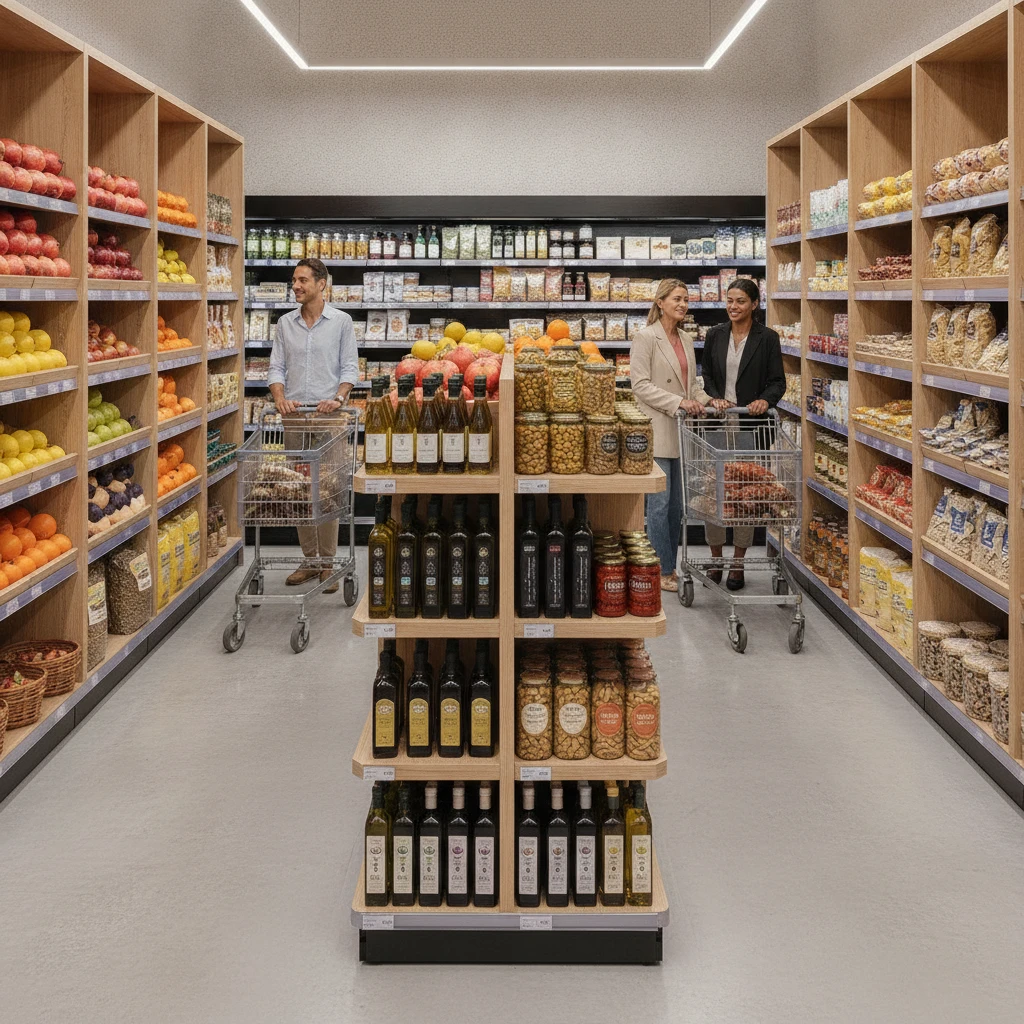
- Grocery Shopping Hacks: Visit larger supermarkets like Lidl or Konzum for better deals compared to small shops.
- Avoid Dynamic Currency Conversion: Always choose Euro transactions at ATMs to avoid extra fees.
- Check for Fiscal Receipts: Always ask for a 'Fiskalni račun' to ensure proper billing and for potential tax refunds.
Payment Rules, Card Acceptance & Fiscal Receipts
In Croatia, cash is still widely used, especially in rural areas. However, most supermarkets and larger restaurants accept credit and debit cards. It's advisable to carry some cash for smaller purchases or in case card machines are down.
According to Croatian fiscal law, businesses must issue a fiscal receipt ('Fiskalni račun') for every transaction. This is important not only for your records but also for compliance with local tax regulations. Always ask for a receipt, especially if you're making a significant purchase.