Current Situation & Pricing Overview 2026 in Croatia
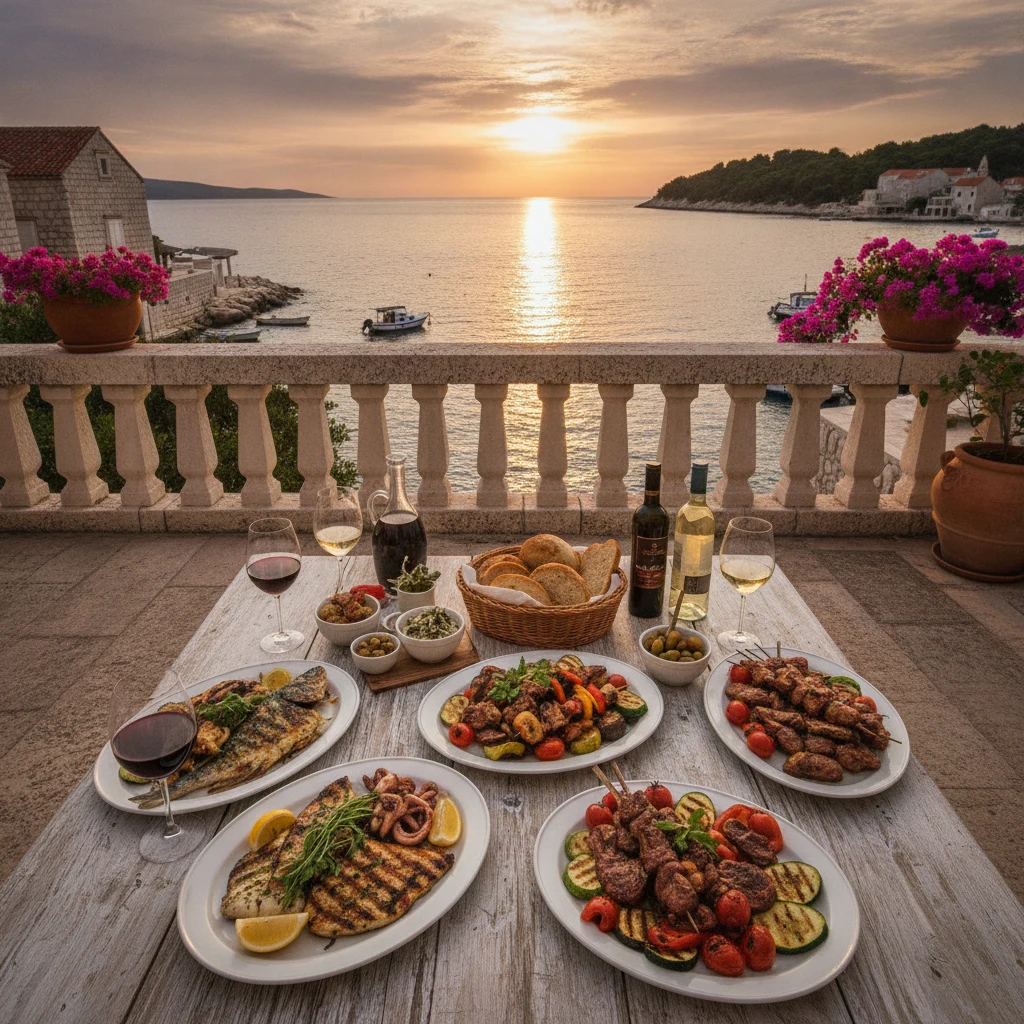
As Croatia embraces the Euro, the dining landscape has seen notable shifts in pricing. Following the adoption of the Euro, inflation has impacted food costs, yet the country remains an affordable destination for international tourists. In 2026, visitors can expect to pay reasonable prices for a variety of dining experiences, from local taverns to upscale restaurants, particularly in coastal regions known for their seafood.
- Informative estimated average prices in Euros (€)
- Transparent low vs. high peak season price breakdown below
Comprehensive Price Breakdown & Comparison Table 2026
| Service | Low Season Price (€) | High Season Price (€) |
|---|---|---|
| Meal at an inexpensive restaurant | 10 | 15 |
| Three-course meal for two at a mid-range restaurant | 50 | 80 |
| Domestic beer (0.5L) | 3 | 5 |
| Cappuccino | 2 | 4 |
| Bottle of water (0.5L) | 1 | 2 |
| Fast food meal | 6 | 10 |
| Local wine (0.75L) | 10 | 20 |
| Seafood platter | 30 | 60 |
| Pizza | 7 | 15 |
| Dessert | 3 | 6 |
Regional Price Variations (Islands vs Coastal vs Inland)
Prices can vary significantly across different regions of Croatia. Coastal areas, particularly popular tourist destinations like Dubrovnik and Split, tend to have higher prices due to demand. For instance, a seafood platter might cost around 60 € in Dubrovnik but only 30 € in a less touristy town. Islands such as Hvar and Korčula also see inflated prices during the summer season. In contrast, inland areas like Slavonia offer more affordable dining options, with local dishes available at lower prices.
Insider Money-Saving Tips & Tourist Traps to Avoid
- Look for 'Marenda' specials, which are local lunch deals that provide great value.
- Consider grocery shopping at local markets for fresh produce and ingredients, which can be more economical than dining out.
- Avoid restaurants located directly on the waterfront or in major tourist areas, as they often charge a premium.
- Be cautious with dynamic currency conversion at ATMs; always choose to be charged in Euros to avoid unfavorable exchange rates.
- Familiarize yourself with tipping etiquette; rounding up the bill or leaving 10% is customary.
Payment Rules, Card Acceptance & Fiscal Receipts
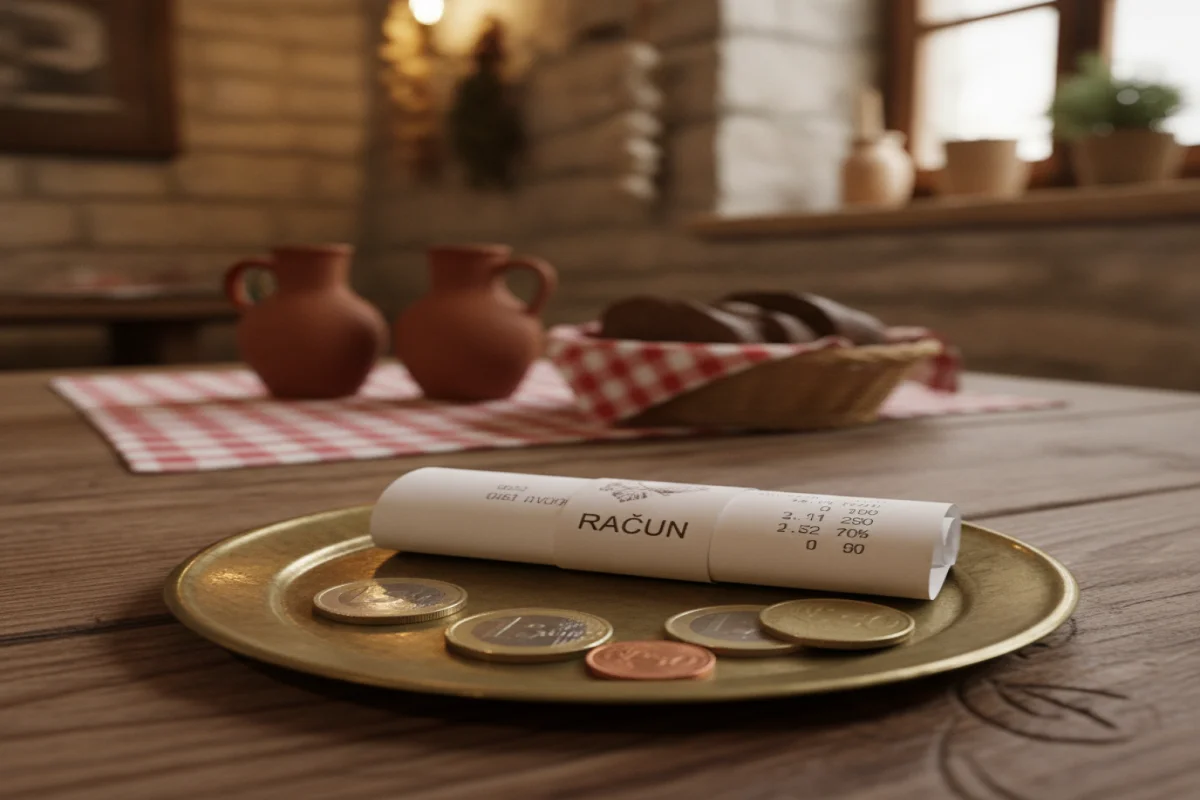
In Croatia, it is important to ask for a 'Fiskalni račun' (fiscal receipt) after your meal, as this is required by law and helps ensure that the business is compliant with tax regulations. While most establishments accept credit and debit cards, smaller local restaurants may prefer cash. Always check in advance to avoid any inconvenience.