Current Situation & Pricing Overview 2026 in Croatia
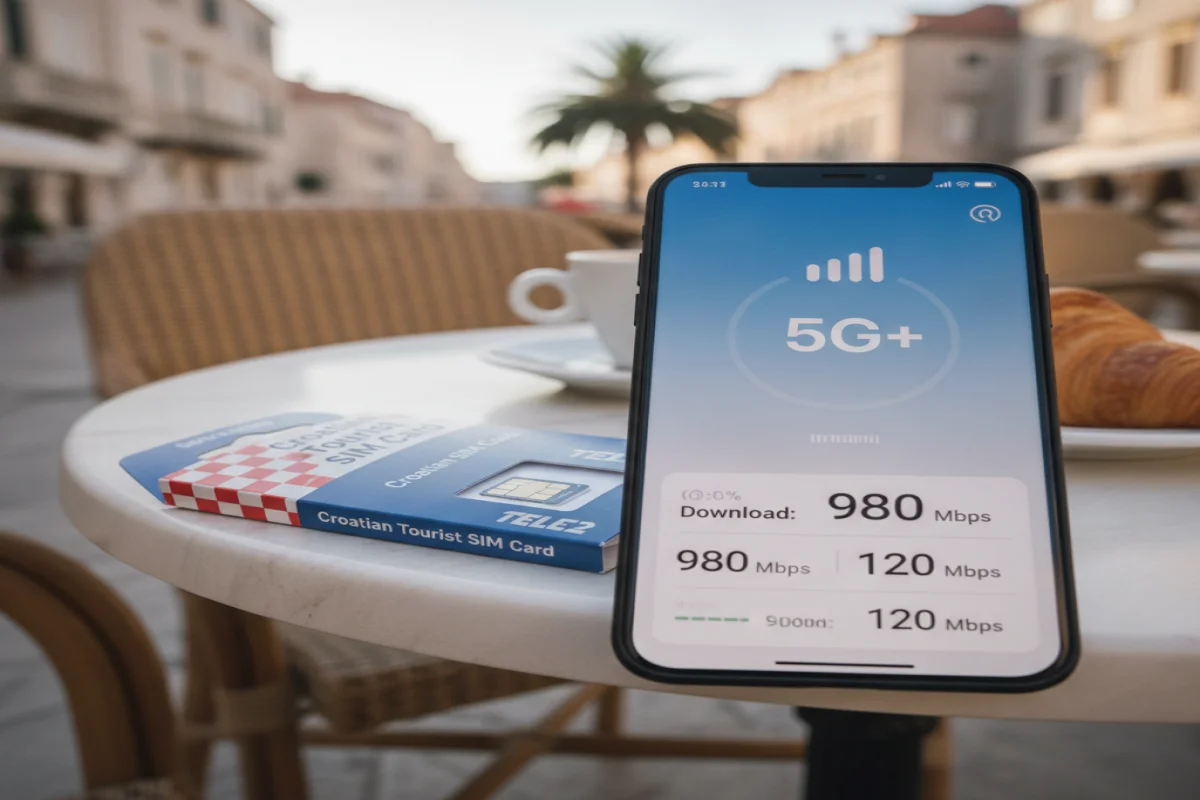
As of 2026, Croatia has fully embraced the Euro, leading to a shift in pricing structures across various sectors, including mobile telecommunications. Tourists can expect to pay slightly more than in previous years due to inflation and the transition to the Euro. However, competition among local providers has kept prices relatively stable. Prepaid SIM cards and mobile data plans remain the most popular choices for visitors, offering flexibility and affordability for those exploring Croatia's stunning coastal regions.
- Informative estimated average prices in Euros (€)
- Transparent low vs. high peak season price breakdown below
Comprehensive Price Breakdown & Comparison Table 2026
| Service | Low Season Price (€) | High Season Price (€) |
|---|---|---|
| Prepaid Tourist SIM Card | 10 | 30 |
| Mobile Data Plans (1GB) | 5 | 15 |
| Mobile Wi-Fi Hotspot Rental | 10 | 20 |
| International Calls (per minute) | 0.10 | 0.50 |
| Data Roaming (EU) | 0.05 | 0.15 |
| Local SIM Card Activation Fee | 0 | 5 |
Regional Price Variations (Islands vs Coastal vs Inland)
Prices for mobile data can vary significantly depending on the region in Croatia. Coastal areas like Dubrovnik and Split tend to have higher prices due to their popularity among tourists. In contrast, less frequented islands such as Hvar and Korčula may offer more competitive rates. Inland areas generally have lower costs, but the availability of services can be limited. Here’s a brief overview of regional price variations:
- Dubrovnik: Higher prices due to tourist demand.
- Split: Moderate pricing, with good service availability.
- Hvar: Competitive rates, especially for tourists.
- Korčula: Affordable options with decent coverage.
- Inland Areas: Generally lower prices but limited service.
Insider Money-Saving Tips & Tourist Traps to Avoid
To make the most of your mobile data experience in Croatia, consider these insider tips:
- Look for 'Marenda' Specials: Many local eateries offer lunch specials that can save you money.
- Grocery Shopping: Buy snacks and drinks at local supermarkets instead of tourist shops.
- Avoid Dynamic Currency Conversion: Always choose to pay in local currency to avoid hidden fees.
- ATM Fees: Use ATMs affiliated with local banks to minimize withdrawal fees.
- Tipping Etiquette: A small tip (10%) is appreciated but not mandatory; round up your bill instead.
Payment Rules, Card Acceptance & Fiscal Receipts
In Croatia, cash is still widely accepted, but credit and debit cards are increasingly popular, especially in tourist areas. It’s essential to ask for a 'Fiskalni račun' (fiscal receipt) when making purchases, as this is required by Croatian law for tax purposes. This receipt can be crucial for warranty claims or disputes. While most establishments accept major credit cards, smaller shops and rural areas may prefer cash, so it’s wise to carry some euros for convenience.