Current Situation & Pricing Overview 2026 in Croatia
As Croatia continues to embrace the Euro, visitors in 2026 will find that tipping practices have evolved alongside the economy. The adoption of the Euro has led to a more standardized pricing structure across the country, particularly in tourist-heavy areas. Inflation has slightly increased prices, but the overall cost of dining and services remains reasonable compared to other European destinations.
- Informative estimated average prices in Euros (€)
- Transparent low vs. high peak season price breakdown below
Comprehensive Price Breakdown & Comparison Table 2026
| Service | Low Season (€) | High Season (€) | Budget Range (€) | Luxury Range (€) |
|---|---|---|---|---|
| Restaurant meal | 15 | 30 | 15 - 20 | 25 - 30 |
| Coffee (café) | 1.50 | 3 | 1.50 - 2 | 2.50 - 3 |
| Taxi ride | 5 | 15 | 5 - 10 | 10 - 15 |
| Hotel cleaning service | 1 | 5 | 1 - 2 | 3 - 5 |
| Tour guide (private) | 50 | 150 | 50 - 80 | 120 - 150 |
| Spa treatment | 30 | 100 | 30 - 50 | 80 - 100 |
Regional Price Variations (Islands vs Coastal vs Inland)
Prices can vary significantly depending on the region in Croatia. Coastal areas, especially popular tourist destinations like Dubrovnik and Split, tend to have higher prices due to demand. Islands such as Hvar and Korčula also see inflated costs during peak season. In contrast, inland regions may offer more affordable dining and accommodation options.
- Hvar: Known for its nightlife and luxury, expect to pay premium prices.
- Dubrovnik: Iconic for its historical sites, dining can be pricey, especially in the Old Town.
- Rovinj: A charming coastal town with moderate prices, especially in local eateries.
- Inland areas: Generally more budget-friendly, with local markets offering great deals.
Insider Money-Saving Tips & Tourist Traps to Avoid
To make the most of your trip without overspending, consider these insider tips:
- Local Lunch Specials: Look for 'Marenda' specials in local restaurants for affordable, hearty meals.
- Grocery Shopping: Purchase snacks and drinks from supermarkets to save on costs.
- ATM Traps: Avoid dynamic currency conversion at ATMs; choose to pay in Euros to avoid extra fees.
- Tipping Etiquette: Always leave a small tip for good service, but be aware that service charges are often included in the bill.
Payment Rules, Card Acceptance & Fiscal Receipts
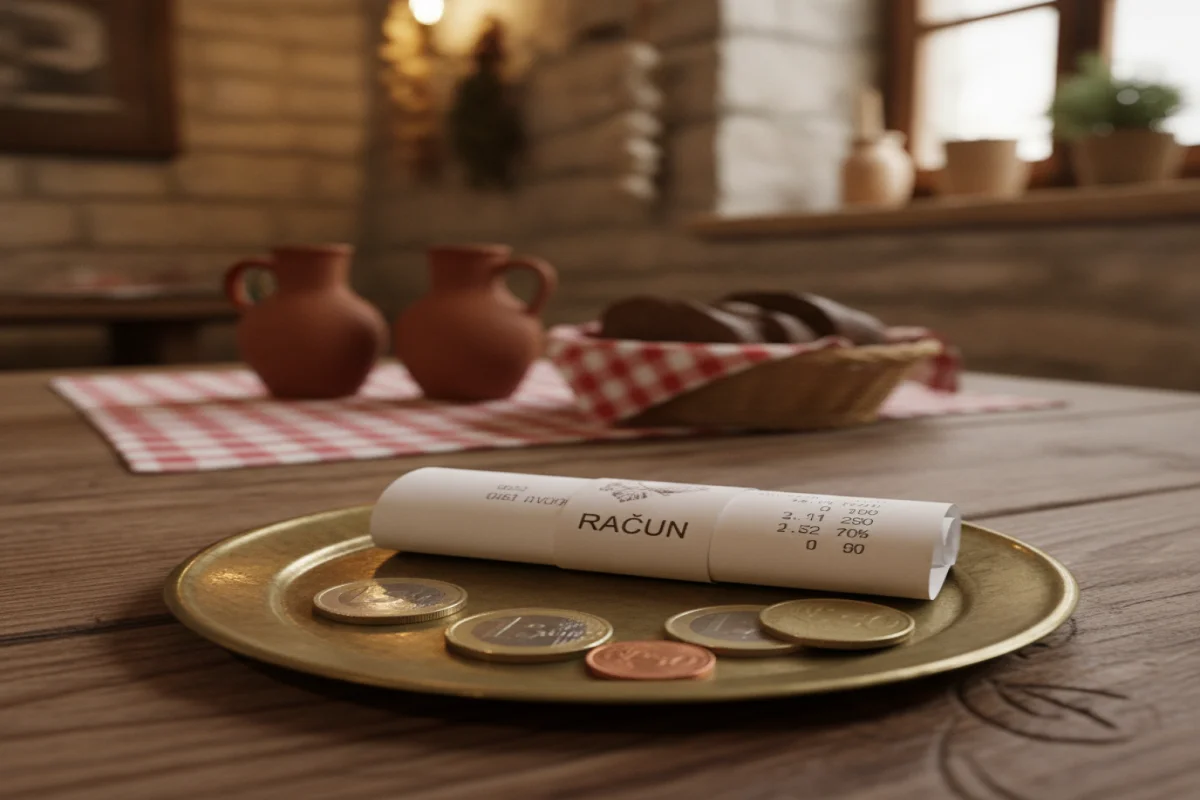
In Croatia, it is essential to understand the fiscal laws regarding payments. Most establishments accept credit and debit cards, but it is advisable to carry some cash, especially in smaller towns or during market visits. Always ask for a 'Fiskalni račun' (fiscal receipt) when making a purchase, as this is important for tax purposes and can be requested by the tax authorities.
While card payments are widely accepted, some smaller businesses may prefer cash, especially in rural areas. Be prepared for this to ensure a smooth transaction.