Current Situation & Pricing Overview 2026 in Croatia
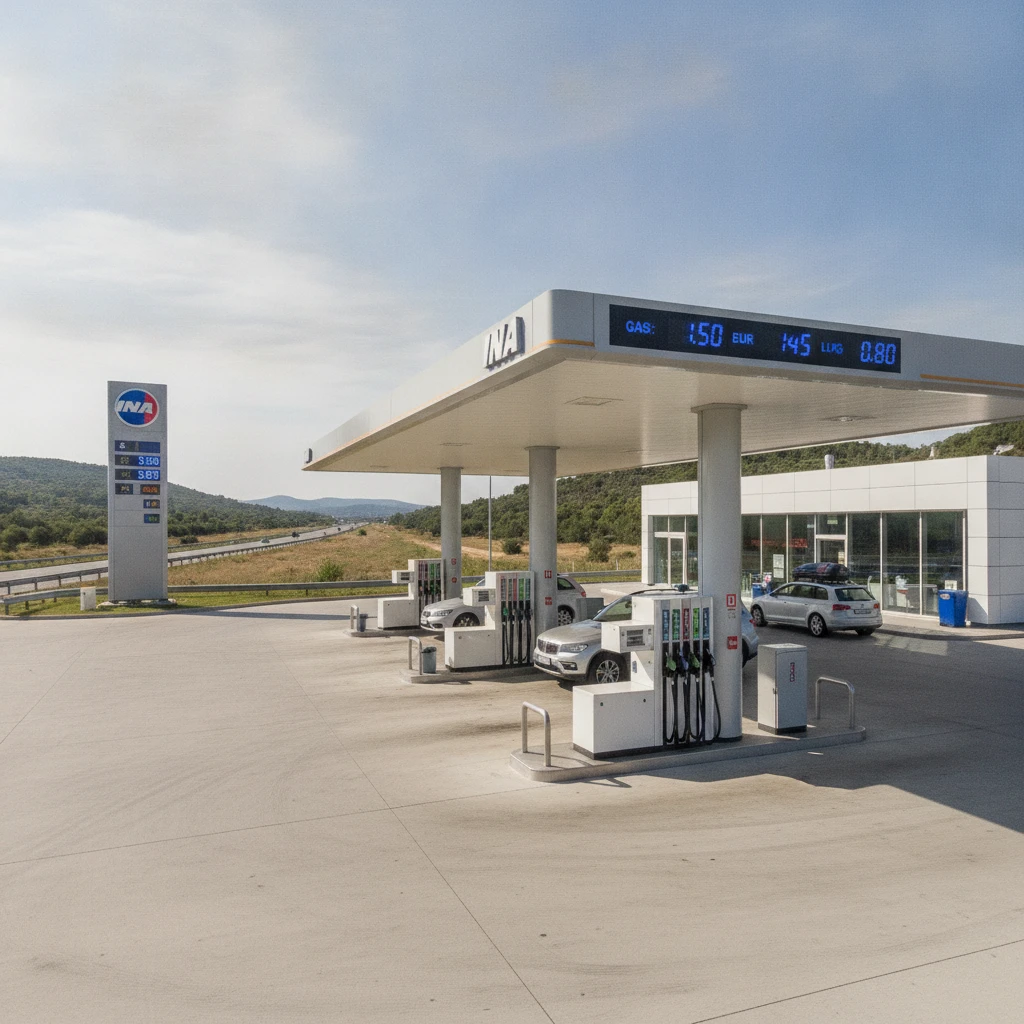
As Croatia continues to adapt to the Euro, fuel prices have seen fluctuations due to inflation and global market trends. In 2026, international tourists can expect to pay between 1.55 € and 1.75 € for petrol, while diesel prices range from 1.45 € to 1.65 € per liter. The shift to the Euro has made it easier for visitors from Eurozone countries to budget their travel expenses, but rising costs may still impact overall travel budgets.
- Informative estimated average prices in Euros (€)
- Transparent low vs. high peak season price breakdown below
Comprehensive Price Breakdown & Comparison Table 2026
| Service | Low Season Price | High Season Price |
|---|---|---|
| Petrol (Euro 95) | 1.55 € | 1.75 € |
| Diesel | 1.45 € | 1.65 € |
| EV Charging (Fast Charge) | 0.30 € | 0.50 € |
| EV Charging (Standard Charge) | 0.20 € | 0.35 € |
| Car Rental (Economy) | 30 € | 60 € |
| Car Rental (Luxury) | 100 € | 200 € |
Regional Price Variations (Islands vs Coastal vs Inland)
Fuel prices can vary significantly across different regions of Croatia. Coastal areas, particularly tourist hotspots like Dubrovnik and Split, tend to have higher prices due to demand. Conversely, inland areas may offer slightly lower prices. Islands such as Hvar and Korčula can also see increased fuel costs due to transportation logistics. It's advisable for travelers to fill up in larger towns or cities where prices are more competitive.
Insider Money-Saving Tips & Tourist Traps to Avoid
- Local Lunch Specials ('Marenda'): Look for local eateries offering 'Marenda' specials, which provide affordable meals at lunchtime.
- Grocery Shopping Hacks: Purchase snacks and drinks from local supermarkets instead of tourist shops to save money.
- Avoid Dynamic Currency Conversion: Always choose to pay in the local currency (Euro) to avoid unfavorable exchange rates.
- ATM Traps: Use ATMs that are affiliated with banks to avoid high withdrawal fees.
- Tipping Etiquette: While tipping is appreciated, it’s not obligatory. Rounding up the bill is often sufficient.
Payment Rules, Card Acceptance & Fiscal Receipts
In Croatia, it is essential to understand the fiscal law ('Fiskalni račun'). Always ask for a receipt when making purchases, as it is required by law and helps ensure that you are not overcharged. While credit and debit cards are widely accepted in urban areas and tourist spots, smaller establishments may prefer cash. It’s advisable to carry some cash for rural areas or smaller towns.