Current Situation & Pricing Overview 2026 in Croatia
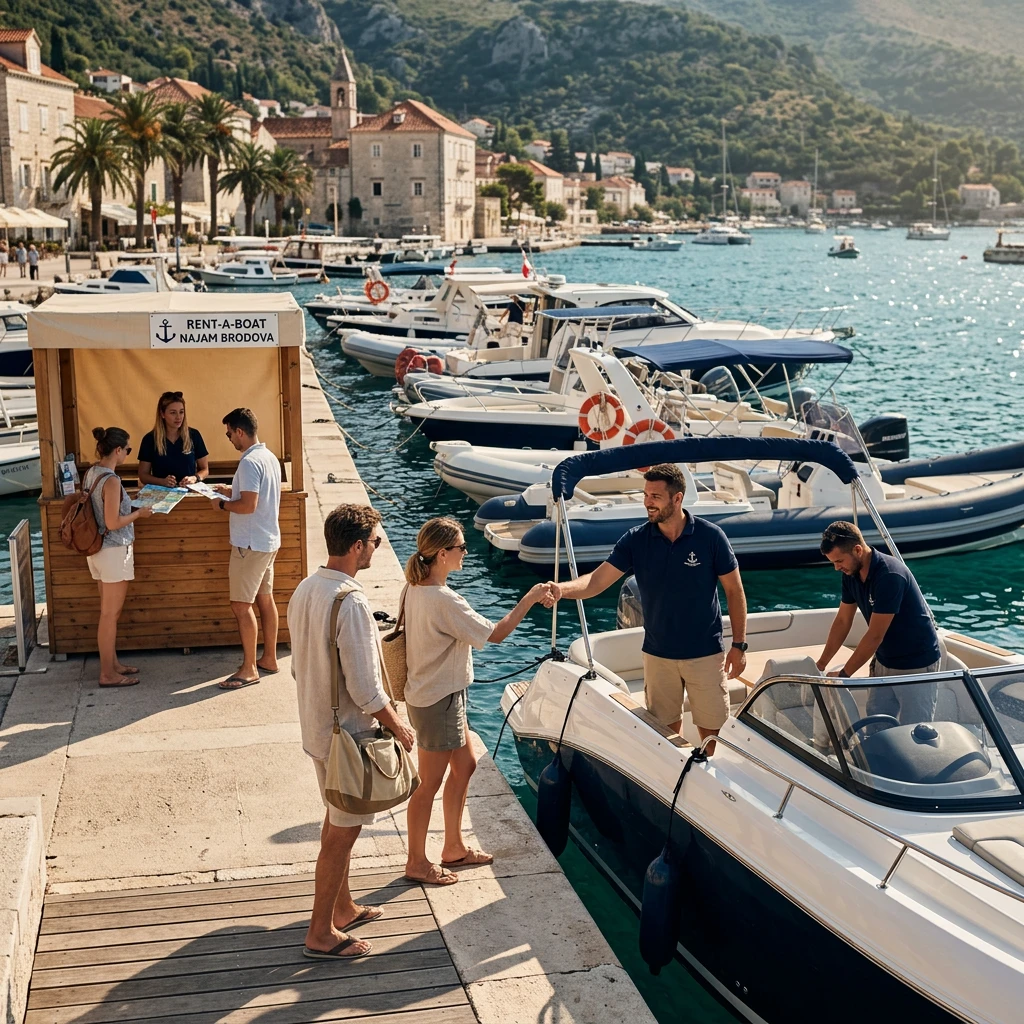
As of 2026, Croatia has seen significant changes in its boat rental and yacht charter market following the adoption of the Euro. Prices have adjusted due to inflation and increased demand from international tourists. Visitors can expect to pay more than in previous years, but the stunning coastal scenery and vibrant marine life make it a worthwhile investment for a memorable experience.
- Informative estimated average prices in Euros (€)
- Transparent low vs. high peak season price breakdown below
Comprehensive Price Breakdown & Comparison Table 2026
| Service | Low Season Price (€) | High Season Price (€) |
|---|---|---|
| Small Motorboat Rental | 80 | 150 |
| Sailing Yacht Charter | 1,200 | 3,500 |
| Catamaran Rental | 2,000 | 5,000 |
| Speedboat Rental | 200 | 400 |
| Private Yacht Charter (Crewed) | 3,000 | 10,000 |
| Kayak Rental | 15 | 30 |
| Stand-Up Paddleboard Rental | 10 | 25 |
| Fishing Boat Rental | 100 | 250 |
| Luxury Yacht Charter | 10,000 | 50,000 |
| Boat License Course | 200 | 500 |
Regional Price Variations (Islands vs Coastal vs Inland)
Prices for boat rentals can vary significantly across different regions of Croatia. Popular islands such as Hvar and Korčula tend to have higher rental prices due to their tourist appeal and limited availability. Coastal towns like Dubrovnik and Split also reflect higher prices compared to inland areas, where rentals may be more budget-friendly.
- Hvar: High demand, luxury options available.
- Korčula: Moderate prices, family-friendly rentals.
- Dubrovnik: Premium pricing, iconic views.
- Split: Diverse options, competitive pricing.
- Rovinj: Mid-range prices, beautiful scenery.
Insider Money-Saving Tips & Tourist Traps to Avoid
To maximize your budget while enjoying the Croatian coast, consider the following tips:
- Lunch Specials: Look for 'Marenda' offers at local restaurants for affordable meals.
- Grocery Shopping: Purchase snacks and drinks at supermarkets to save on costs.
- Avoid Dynamic Currency Conversion: Always choose to pay in Euros to avoid unfavorable exchange rates.
- ATM Fees: Use ATMs affiliated with your bank to minimize withdrawal fees.
- Tipping Etiquette: A 10% tip is appreciated but not mandatory.
Payment Rules, Card Acceptance & Fiscal Receipts
In Croatia, it is essential to understand the payment landscape. While credit and debit cards are widely accepted, especially in tourist areas, some smaller businesses may only accept cash. Always ask for a 'Fiskalni račun' (fiscal receipt) for your transactions, as this is required by Croatian law and ensures that your purchase is recorded for tax purposes.