Current Situation & Pricing Overview 2026 in Croatia
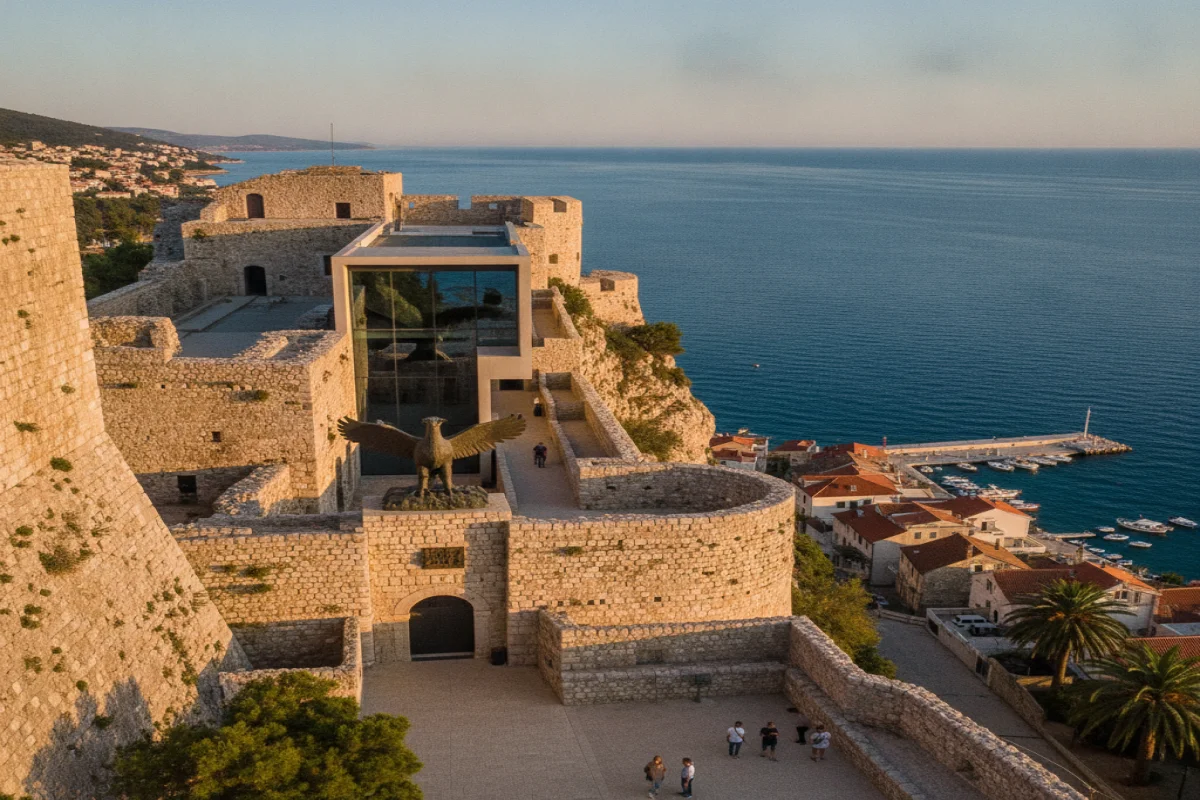
As Croatia continues to embrace its new Euro currency, the landscape of souvenir pricing has evolved significantly. Post-Euro adoption, prices have seen a moderate increase due to inflation, yet many local artisans strive to keep their products affordable for tourists. Visitors can expect to pay a premium for items in popular tourist areas, especially along the stunning coastline and islands, where demand is high. In 2026, tourists should budget accordingly, keeping in mind that quality often correlates with price.
- Informative estimated average prices in Euros (€)
- Transparent low vs. high peak season price breakdown below
Comprehensive Price Breakdown & Comparison Table 2026
| Item | Low Season Price (€) | High Season Price (€) | Notes |
|---|---|---|---|
| Postcards | 0.50 | 2.00 | Varies by location |
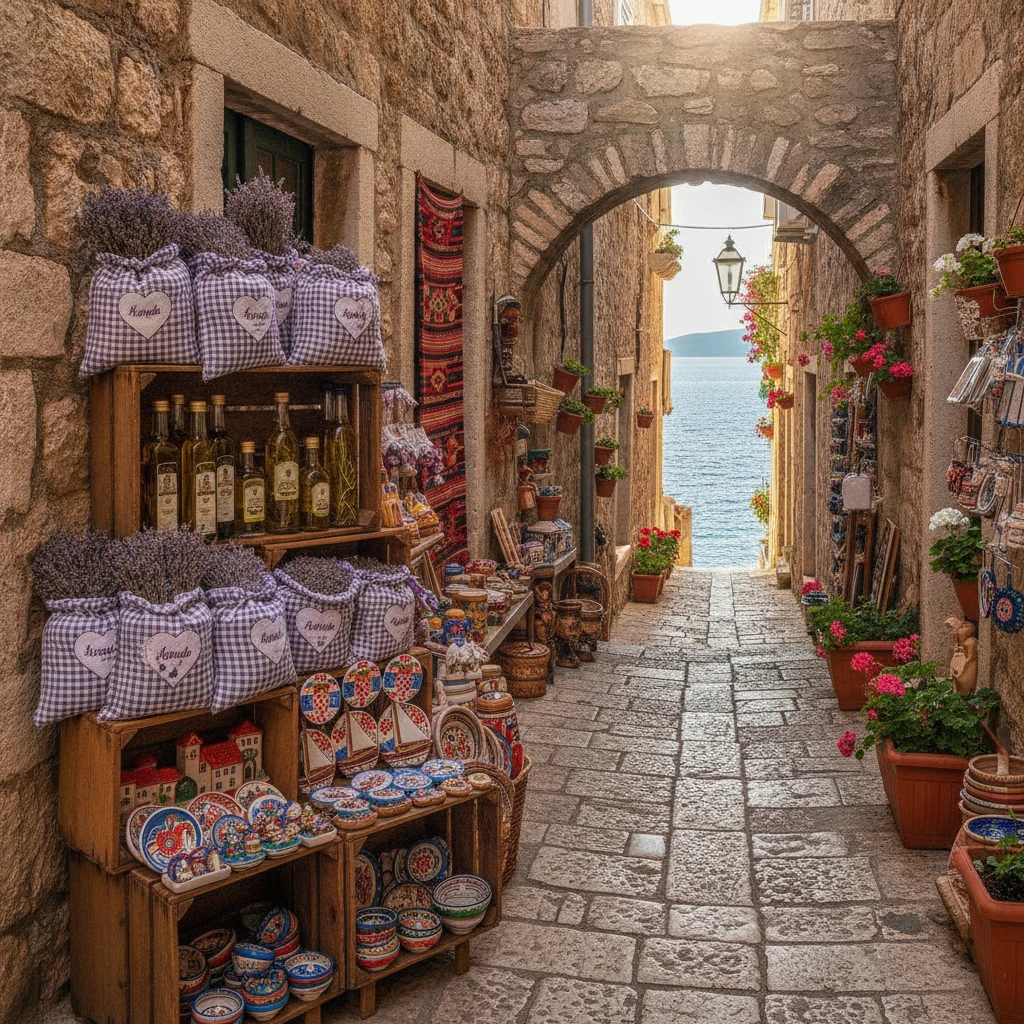
| Local Handicrafts | 10.00 | 50.00 | Quality varies |
| Olive Oil | 5.00 | 25.00 | Local brands preferred |
| Lavender Products | 3.00 | 15.00 | Popular in Hvar |
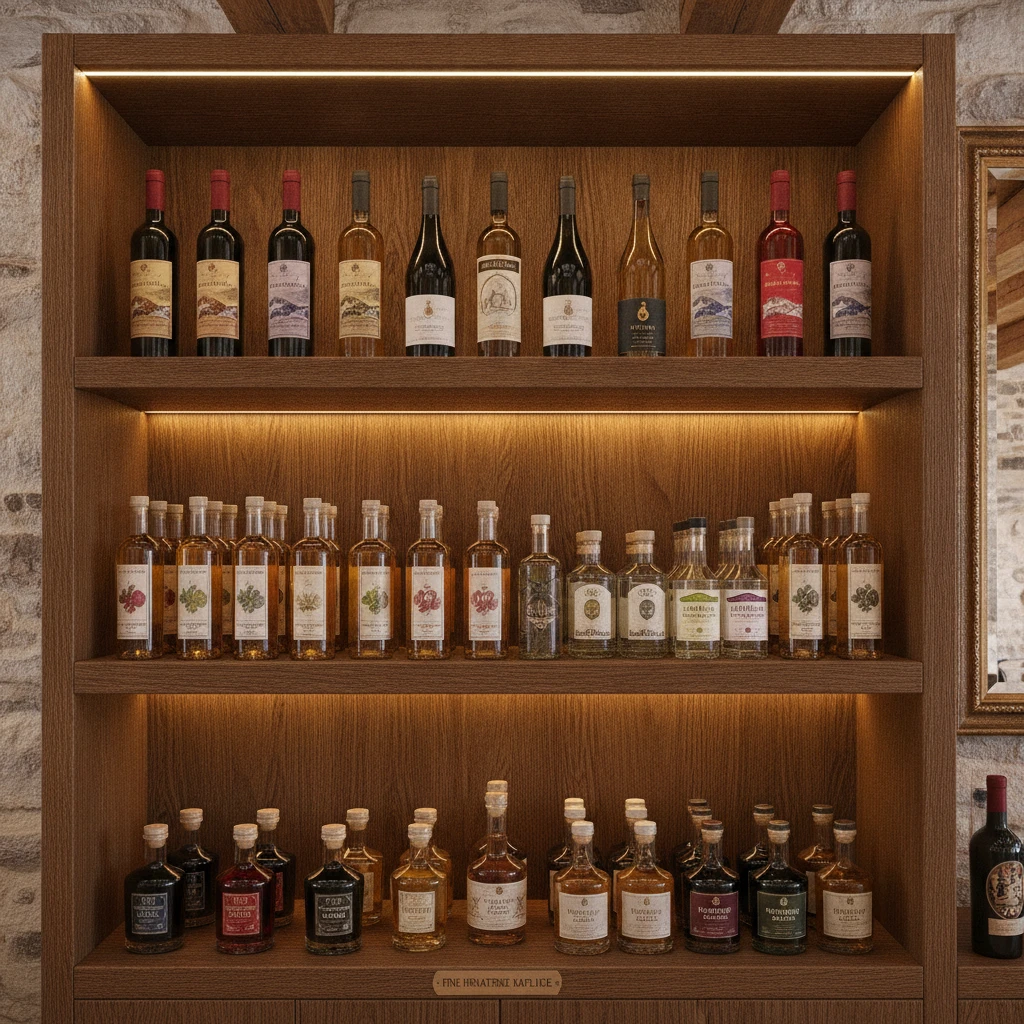
| Wine | 8.00 | 30.00 | Local varieties recommended |
| Traditional Food Products | 4.00 | 20.00 | Ajvar, honey, etc. |
| Jewelry | 15.00 | 100.00 | Local designs available |
| T-shirts and Apparel | 10.00 | 40.00 | Varies by design |
| Maritime Souvenirs | 5.00 | 50.00 | Popular along the coast |
| Art Prints | 20.00 | 100.00 | Support local artists |
Regional Price Variations (Islands vs Coastal vs Inland)
Price variations in Croatia are notable, particularly when comparing the islands to coastal towns and inland areas. For instance, popular islands like Hvar and Korčula tend to have higher prices due to their tourist appeal. In contrast, towns like Split and Dubrovnik may also see inflated prices during peak season. Inland regions, such as Slavonia, often offer more affordable options for souvenirs, particularly local food products and crafts.
Insider Money-Saving Tips & Tourist Traps to Avoid
- Look for 'Marenda' Specials: Many local eateries offer lunch specials that are budget-friendly and provide a taste of authentic Croatian cuisine.
- Shop at Local Markets: Farmers' markets and artisan fairs often have better prices than tourist shops.
- Avoid Dynamic Currency Conversion: When using ATMs or card payments, opt for transactions in Euros to avoid unfavorable exchange rates.
- Know Your Tipping Etiquette: Tipping is appreciated but not mandatory; rounding up the bill is common.
- Be Wary of Tourist Traps: Souvenir shops near major attractions often charge higher prices; explore side streets for better deals.
Payment Rules, Card Acceptance & Fiscal Receipts
In Croatia, it is essential to understand the local fiscal law known as 'Fiskalni račun.' Businesses are required to provide a fiscal receipt for every purchase, which is crucial for tax purposes. Most shops and restaurants accept credit and debit cards, but it is advisable to carry some cash, especially in smaller towns or markets. Always ask for a receipt, as it can be useful for warranty claims or returns.