Current Situation & Pricing Overview 2026 in Croatia
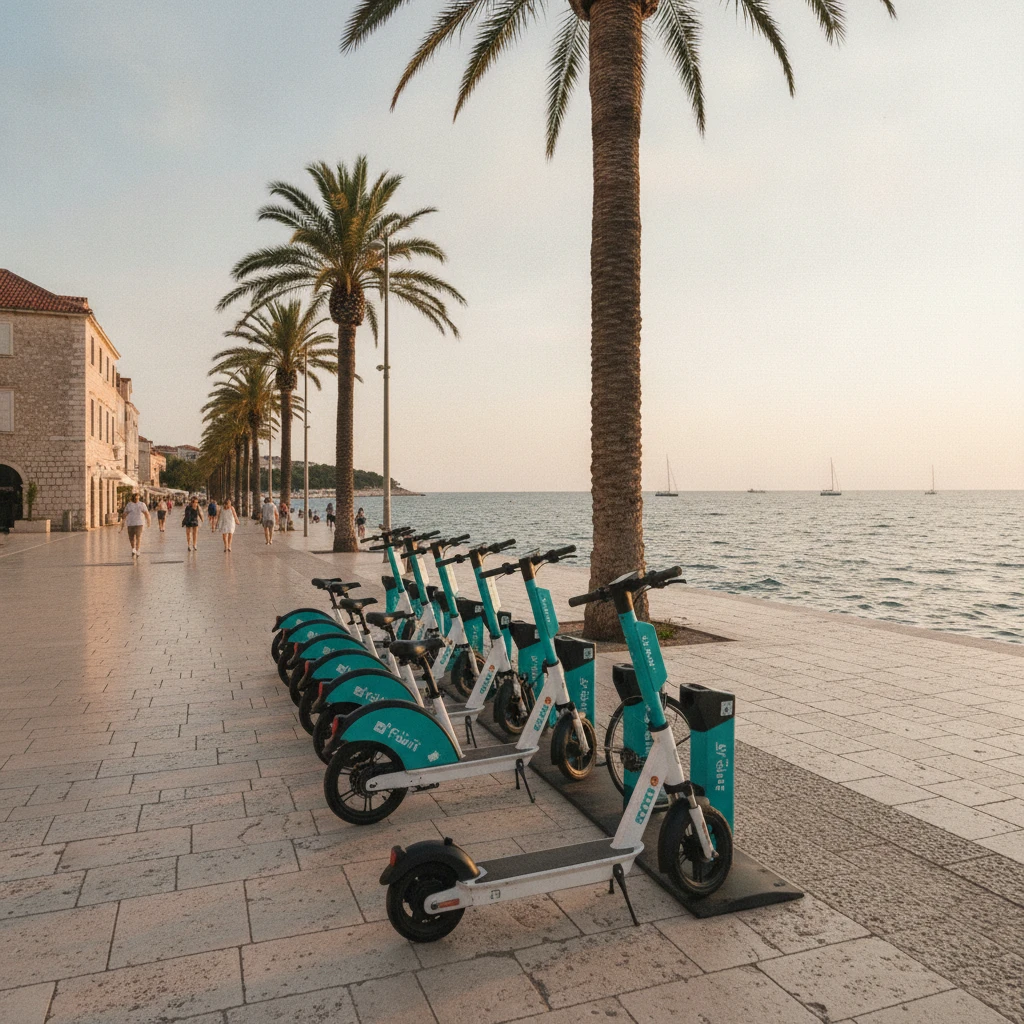
As of 2026, Croatia has seen a significant shift in its tourism landscape, particularly after adopting the Euro. E-scooter and bike rentals have become increasingly popular among tourists looking to explore the stunning coastal regions and islands. Prices have adjusted to reflect inflation and the new currency, with rentals becoming more standardized across popular tourist destinations.
Visitors can expect to pay between 15 € and 30 € for e-scooter rentals per day, while bike rentals range from 10 € to 25 €. These prices can vary based on location, season, and rental duration.
- Informative estimated average prices in Euros (€)
- Transparent low vs. high peak season price breakdown below
Comprehensive Price Breakdown & Comparison Table 2026
| Service | Low Season Price (€) | High Season Price (€) |
|---|---|---|
| E-Scooter Rental | 15 € | 30 € |
| Bike Rental | 10 € | 25 € |
| Helmet Rental | 2 € | 5 € |
| Lock Rental | 1 € | 3 € |
| Guided E-Scooter Tour | 30 € | 60 € |
| E-Scooter Insurance | 5 € | 10 € |
Regional Price Variations (Islands vs Coastal vs Inland)
Prices for e-scooter and bike rentals can vary significantly across different regions of Croatia. Coastal towns like Dubrovnik and Split tend to have higher rental prices due to their popularity among tourists. In contrast, lesser-known inland areas may offer more competitive rates.
- Dubrovnik: E-scooter rentals can reach up to 30 € per day.
- Split: Expect to pay around 25 € for a bike rental.
- Hvar Island: Prices can be similar to coastal towns, with e-scooter rentals averaging 25 €.
- Korčula Island: Slightly lower prices, with rentals starting at 15 €.
- Inland Areas: Rentals can be as low as 10 € for bikes, making them a budget-friendly option.
Insider Money-Saving Tips & Tourist Traps to Avoid
To make the most of your e-scooter or bike rental experience in Croatia, consider the following tips:
- Look for Local Specials: Many rental shops offer 'Marenda' lunch specials that include a rental discount.
- Shop Around: Prices can vary widely, so compare rates between different rental companies.
- Avoid Dynamic Currency Conversion: Always choose to pay in Euros to avoid unfavorable exchange rates.
- Ask for Fiscal Receipts: Always request a 'Fiskalni račun' for your transactions to ensure proper documentation.
- Tipping Etiquette: While not mandatory, rounding up your bill or leaving a small tip is appreciated in Croatia.
Payment Rules, Card Acceptance & Fiscal Receipts
In Croatia, most rental companies accept major credit cards, but it's advisable to carry some cash, especially in smaller towns or islands. Under Croatian fiscal law, businesses are required to issue a fiscal receipt ('Fiskalni račun') for every transaction. This is important for tax purposes and can be helpful if you need to resolve any disputes regarding your rental.
When renting, always confirm the payment methods accepted and ensure you receive a receipt to avoid any issues later on.